Sabato 19 febbraio 2005 🇬🇧
Il secondo giorno di safari, che ci porterà a visitare i paesaggi dello Tsavo Ovest, inizia con un’ottima colazione che dividiamo con un marabù, uccello piuttosto bruttino (orrendo!) e spelacchiato con un gozzo di pelle pendula sotto il becco, appollaiato sulla ringhiera in legno della sala ristorante.
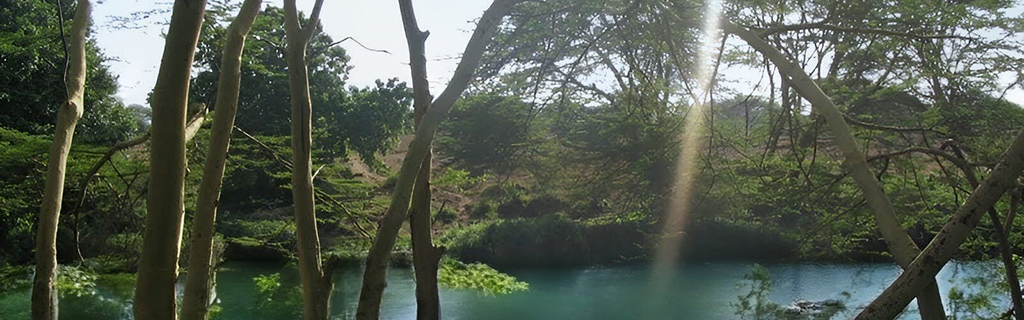
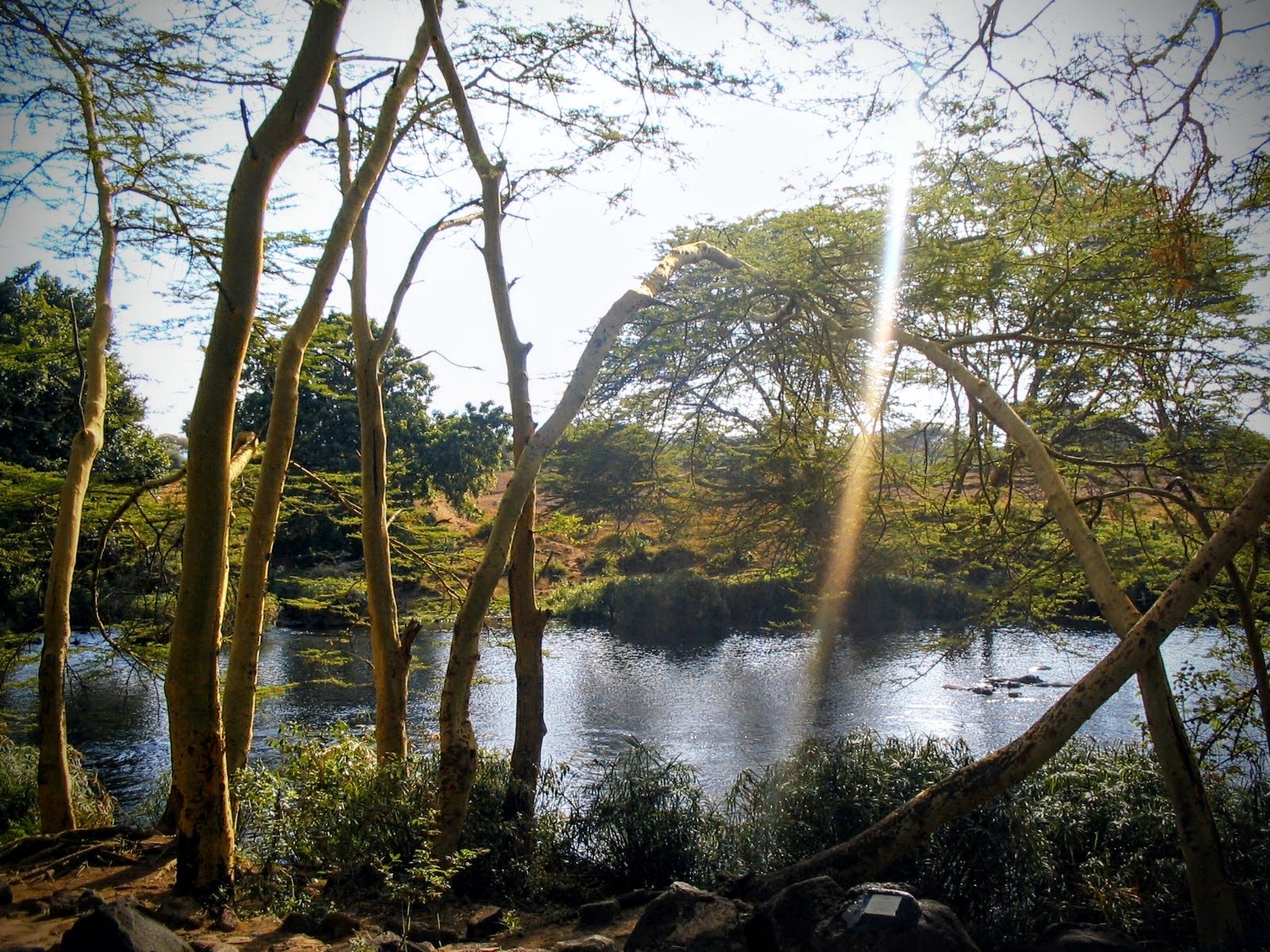
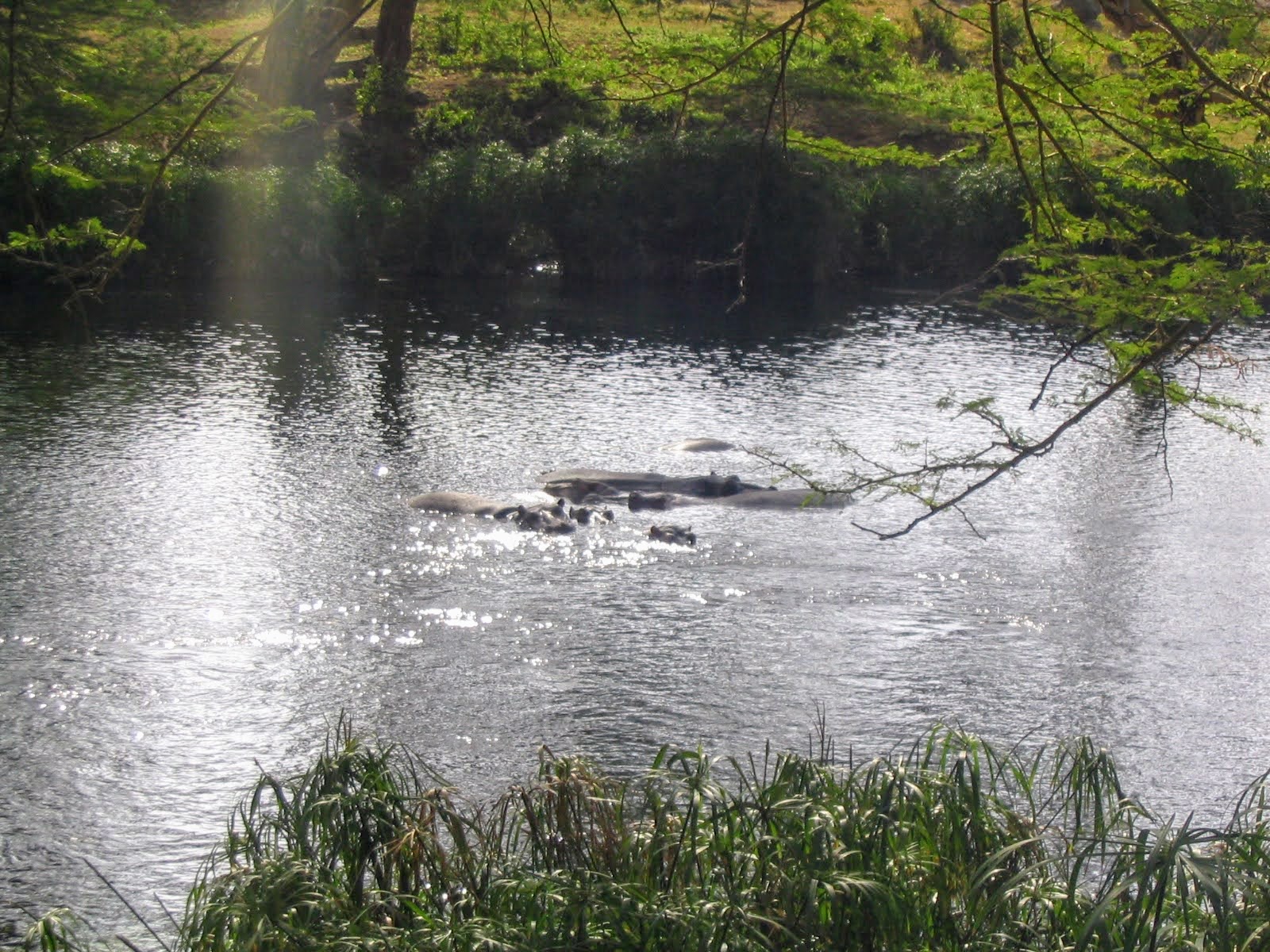
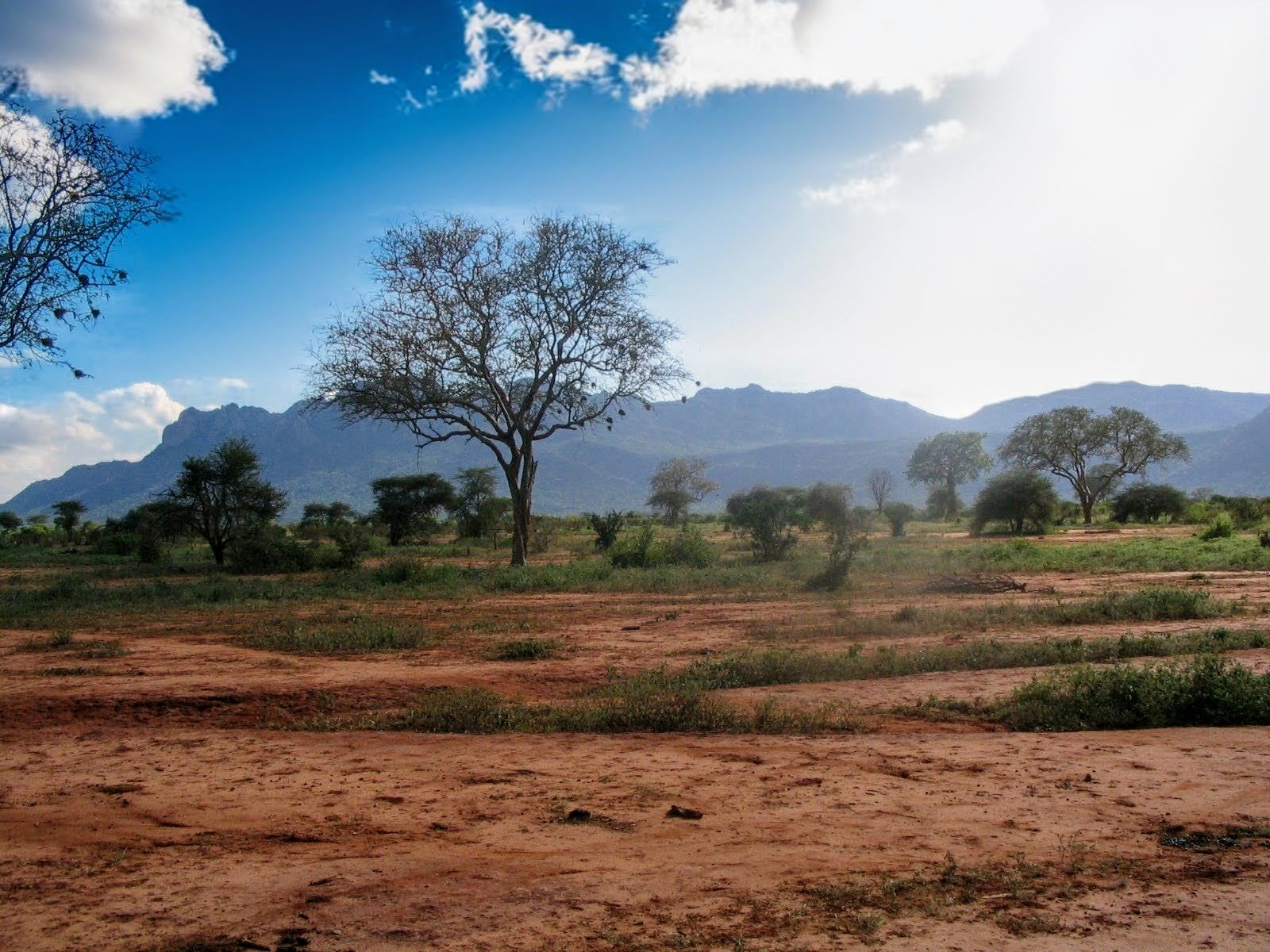
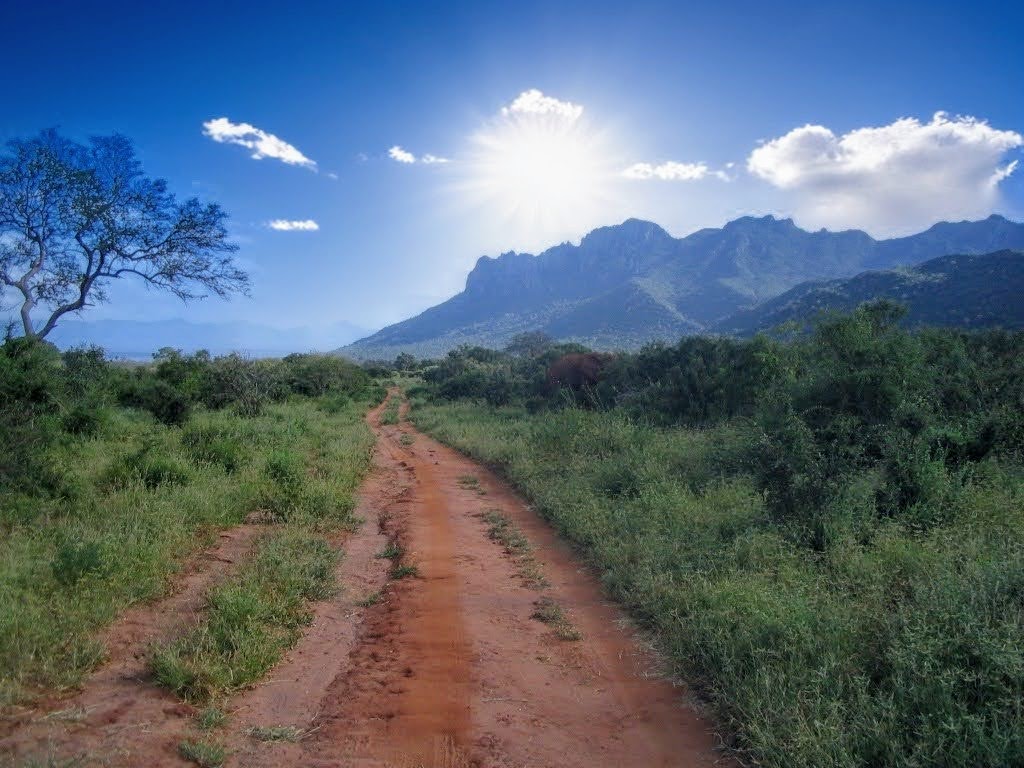
Io ho dormito come un ghiro nella nostra stanza: ieri, all’arrivo, mi ero caldamente lamentato con la direzione per la posizione troppo laterale rispetto al laghetto: mi avevano risposto che apparteneva all’ala di nuova costruzione ed in effetti era molto curata e con i bagni in granito. I nostri compagni di avventura hanno invece passato la notte sotto le lenzuola, usate come tenda da campeggio, perché dal soffitto piovevano gechi! Ripartiamo con il furgone di ieri: lo Tsavo Ovest, come scrivevo nel post precedente, più che per l’aspetto faunistico è famoso per i suoi paesaggi. Il limite fisico che separa le due parti del parco è dato dalla strada che collega Nairobi a Mombasa. Il furgoncino si inerpica lentamente sulla strada sterrata sulle alture che caratterizzano lo Tsavo Ovest: una ricca vegetazione fatta di foreste pluviali caratterizza questa zona, ogni tanto si vede qualche baobab. Siamo ai confini con la Tanzania e si può chiaramente vedere la sagoma conica del Kilimangiaro con la cima innevata. Ben presto arriviamo a Mzima Springs una zona caratterizzata da una serie di sorgenti naturali che danno vita ai corsi d’acqua e ai laghetti della zona: in acqua sguazzano numerosi ippopotami che sembrano paciosi ma tanto paciosi non sono. Il posto è meraviglioso. C’è una struttura in legno parzialmente sommersa che, attraverso grandi finestroni, permette di vedere sott’acqua i pesci e gli ippopotami nuotare.
Il programma prevede il ritorno al Kilaguni Safari Lodge per pranzo: veniamo invece lasciati in una radura, davanti ad un fiume pieno di coccodrilli e ippopotami, con un packed lunch ben confezionato dall’hotel, all’interno del quale riconosciamo le stesse portate della cena della sera precedente, e con la raccomandazione di non gettare le ossa di pollo in acqua per non richiamare gli animali: siamo davvero spaventati! E’ evidente che c’è stato un accordo tra gli organizzatori del tour e la direzione dell’hotel: la cosa si risolverà in serata, al ritorno a Malindi dopo una accesa discussione con la direttrice, con la concessione, come risarcimento, di non pagare tutti gli extra consumati durante la settimana. L’unico a rimetterci, povero!, è la guida che viene presa come capro espiatorio e ritenuto unico responsabile della combine.
Comincia il viaggio di ritorno verso Malindi sulla statale che attraversa poveri villaggi con carcasse di camion e copertoni bruciati ai lati della strada.
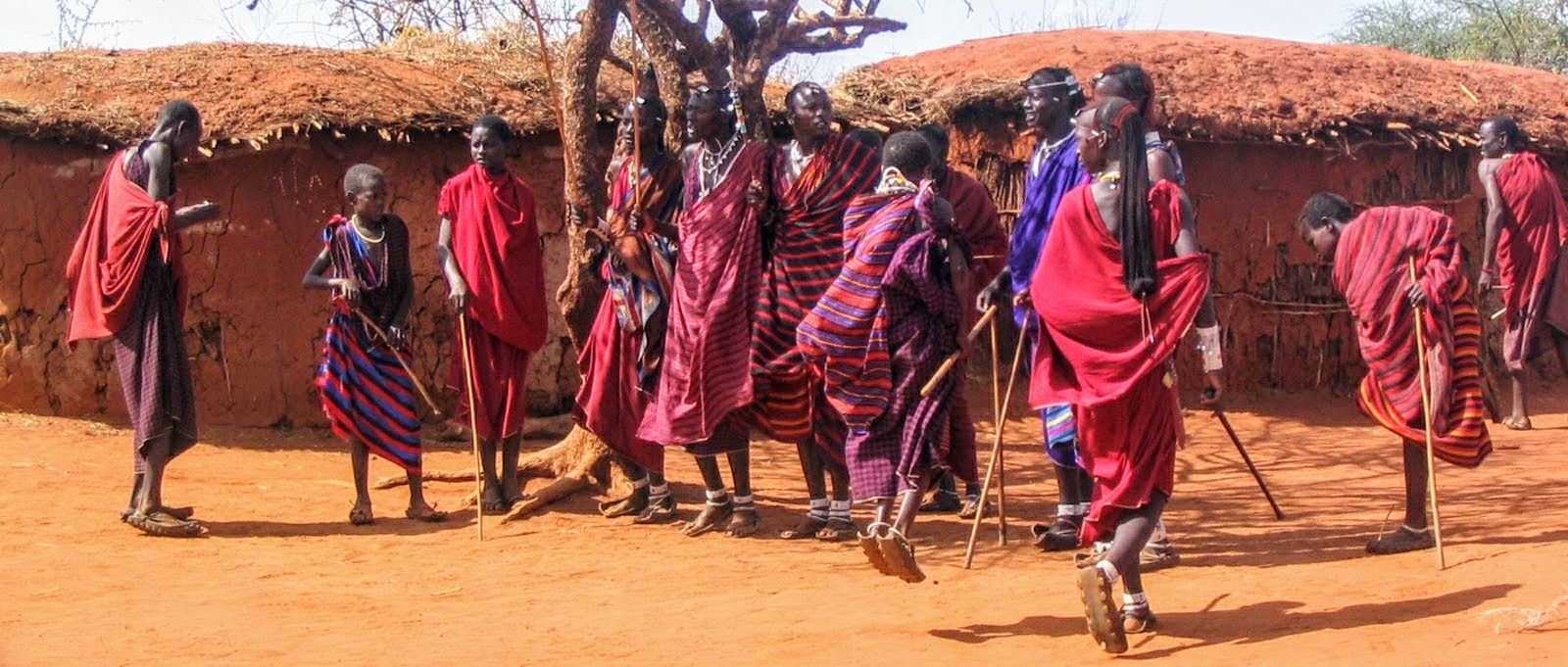
Ci fermiamo a visitare un villaggio masai con le capanne fatte di fango e tanti bambini che giocano. Gli uomini e le donne sono di una bellezza sorprendente e hanno dei fisici incredibili: alti, fieri con un portamento quasi felino. Veniamo accompagnati a visitare la capanna del capo villaggio, un vecchio dicono centenario: è fatta con rami verdi, pieni di aculei, intrecciati ad arte: all’interno ci sarà una temperatura di almeno 10 gradi centigradi inferiore rispetto all’esterno. Intonano canti e danzano per noi. Tutto bello, bellissimo, toccante: peccato che dietro alle capanne ci siano decine di bancarelle con ogni tipo di souvenir dalle statue in legno ai gioielli locali, fino alle cartoline! In vero circo messo in piedi per noi tonti turisti! Questi, la sera, se ne tornano a casa e si siedono davanti alla TV, altro che Masai!
Questi due giorni, a parte l’incidente del pranzo e quest’ultima baracconata, sono stati incredibili: quando ho accettato questo viaggio in Kenya, pensavo mi sarei limitato a fare vita di spiaggia. Questo safari ha rivalutato al cubo questa vacanza. Vedere gli animali nel loro ambiente naturale e certi paesaggi spettacolari mi ha davvero emozionato oltre ogni mia aspettativa. Che spettacolo la Natura! Probabilmente l’esperienza sarebbe stata più vera se, invece dell’hotel, avessimo scelto di vivere questa avventura in un campo tendato in mezzo alla savana con i suoi rumori e i suoni di una notte stellata all’equatore.
Tsavo West National Park and Mzima Springs
Saturday, February 19, 2005
The second day of safari, which will take us to visit the landscapes of Tsavo West, begins with an excellent breakfast that we share with a marabou stork, a rather ugly ( horrible! ) and mangy bird with a hanging goiter of skin under its beak, perched on the wooden railing of the restaurant room.
I slept like a log in our room: yesterday, upon arrival, I had complained fervently to the management about the position too lateral to the lake: they had replied that it belonged to the newly built wing and in fact it was very well kept and with granite bathrooms. Our fellow adventurers instead spent the night under the sheets, used as a camping tent, because geckos were raining from the ceiling! We set off again with yesterday’s van: Tsavo West , as I wrote in the previous post, is famous for its landscapes rather than for its wildlife. The physical boundary that separates the two parts of the park is the road that connects Nairobi to Mombasa. The van slowly climbs up the dirt road on the heights that characterize Tsavo West: a rich vegetation made up of rainforests characterizes this area, every now and then you can see some baobabs. We are on the border with Tanzania and you can clearly see the conical shape of Kilimanjaro with its snow-capped peak. Soon we arrive at Mzima Springs, an area characterized by a series of natural springs that give life to the waterways and ponds of the area: in the water splash numerous hippos that seem peaceful but are not so peaceful. The place is wonderful. There is a partially submerged wooden structure that, through large windows, allows you to see the fish and hippos swimming underwater.
The program includes returning to Kilaguni Safari Lodge for lunch: instead we are left in a clearing, in front of a river full of crocodiles and hippos, with a well-packaged packed lunch from the hotel, in which we recognize the same dishes as the dinner of the previous evening, and with the recommendation not to throw the chicken bones into the water so as not to attract the animals: we are really scared! It is clear that there was an agreement between the tour organizers and the hotel management: the matter will be resolved in the evening, upon returning to Malindi after a heated discussion with the manager, with the concession, as compensation, of not paying for all the extras consumed during the week. The only one to lose out, poor thing!, is the guide who is taken as a scapegoat and considered the only one responsible for the fix .
The return journey to Malindi begins on the state road that passes through poor villages with truck carcasses and burnt tires on the sides of the road.
We stop to visit a Masai village with huts made of mud and many children playing. The men and women are surprisingly beautiful and have incredible physiques: tall, proud with an almost feline bearing. We are accompanied to visit the hut of the village chief, an old man they say a hundred years old: it is made of green branches, full of thorns, artfully woven: inside there will be a temperature of at least 10 degrees centigrade lower than outside. They sing songs and dance for us. All beautiful, beautiful, touching: too bad that behind the huts there are dozens of stalls with all kinds of souvenirs from wooden statues to local jewelry, to postcards! A real circus put on for us silly tourists! These, in the evening, go home and sit in front of the TV, Masai!
These two days, apart from the lunch incident and this latest farce, have been incredible: when I accepted this trip to Kenya, I thought I would limit myself to beach life. This safari has revalued this vacation to the third power. Seeing animals in their natural environment and certain spectacular landscapes has truly moved me beyond all my expectations. What a spectacle Nature is! Probably the experience would have been more real if, instead of the hotel, we had chosen to live this adventure in a tented camp in the middle of the savannah with its noises and the sounds of a starry night at the equator.
 Gironzolando